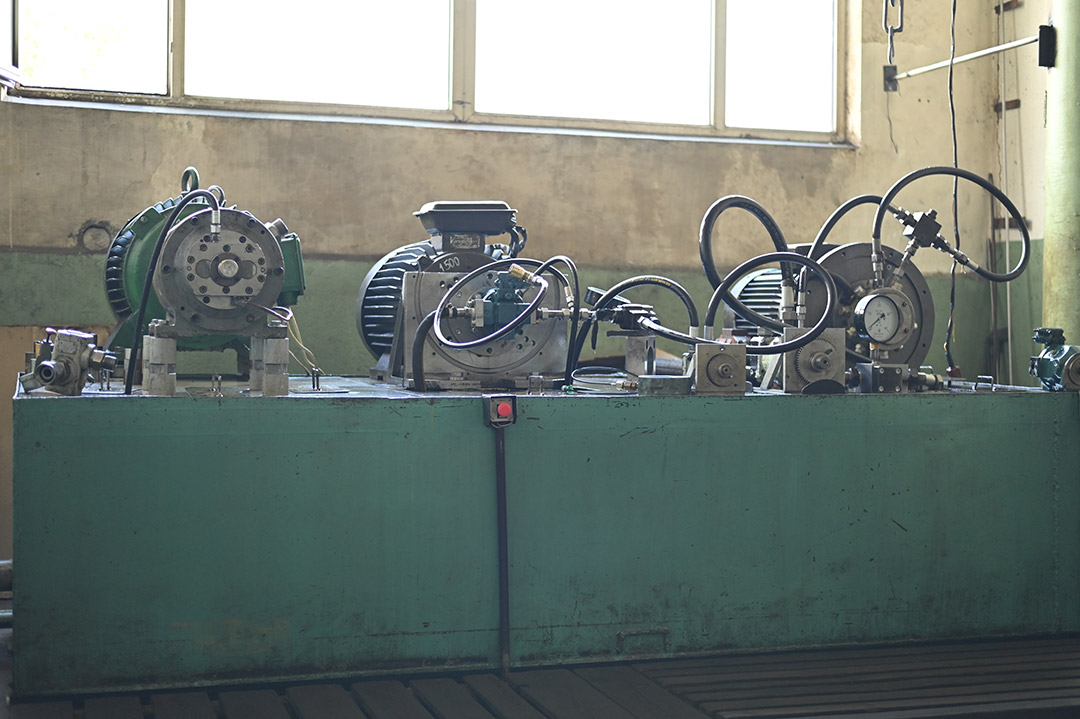
Maintenance and Field Diagnostics of Hydraulic Systems
Turnkey maintenance of industrial hydraulic machinery: scheduled preventive maintenance (PM), on-site diagnostics, early failure detection, fluid laboratory analysis and thermographic monitoring. Extending equipment operating life and preventing catastrophic plant downtime.
Maintenance and Field Diagnostics of Hydraulic Systems
Standard Preventive Maintenance Scope
- Visual Inspection
Leak-tightness check, verification of high-pressure hose integrity, assessment of fluid level and oil color.
- Parameter Measurement
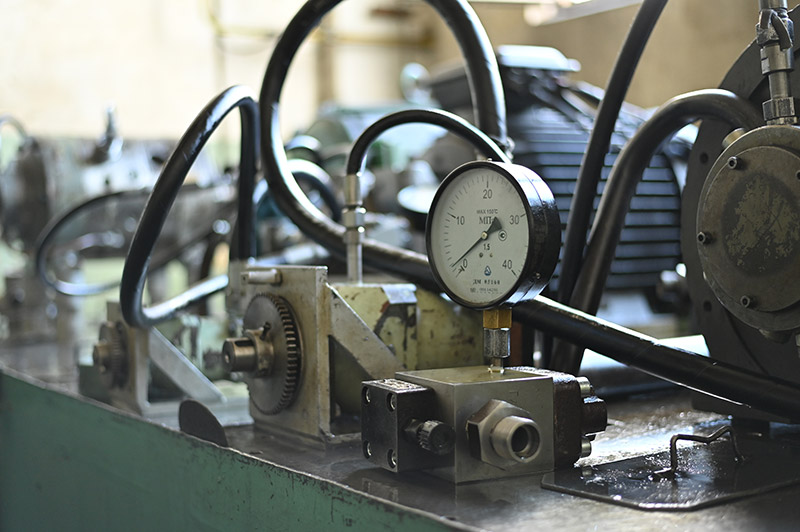
Logging system pressures and fluid temperatures at designated test points.
- Oil Condition Analysis
Fluid sampling, particulate wear contamination and degradation testing, target cleanliness classification up to NAS 1638 Class 6 (ISO 4406).
- Filter and Fluid Replacement
Scheduled change-out of filter elements (HY-PRO, Tempo Filtre) and working fluid replenishment.
- Valve and Hardware Calibration
Tuning and setting of pressure control valves and flow regulators.
- Thermographic Monitoring
Thermographic inspection to identify overheated assemblies, bearings, and electric drive motors.
Diagnostic Infrastructure

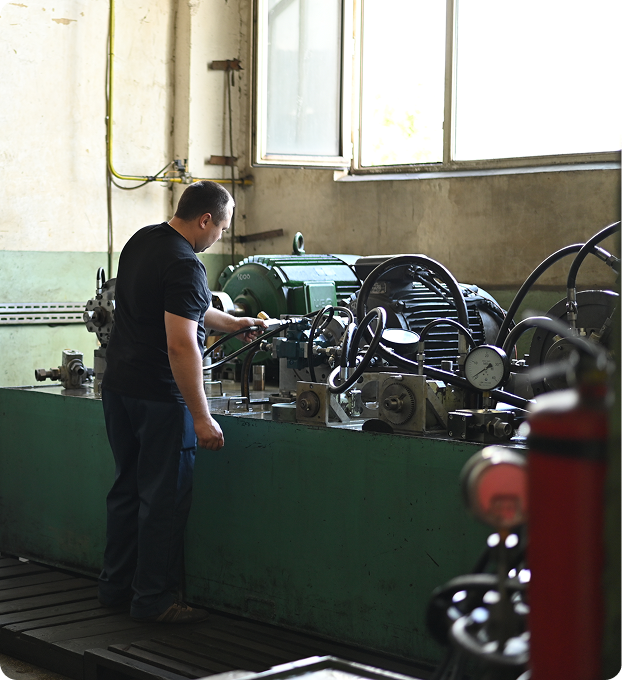
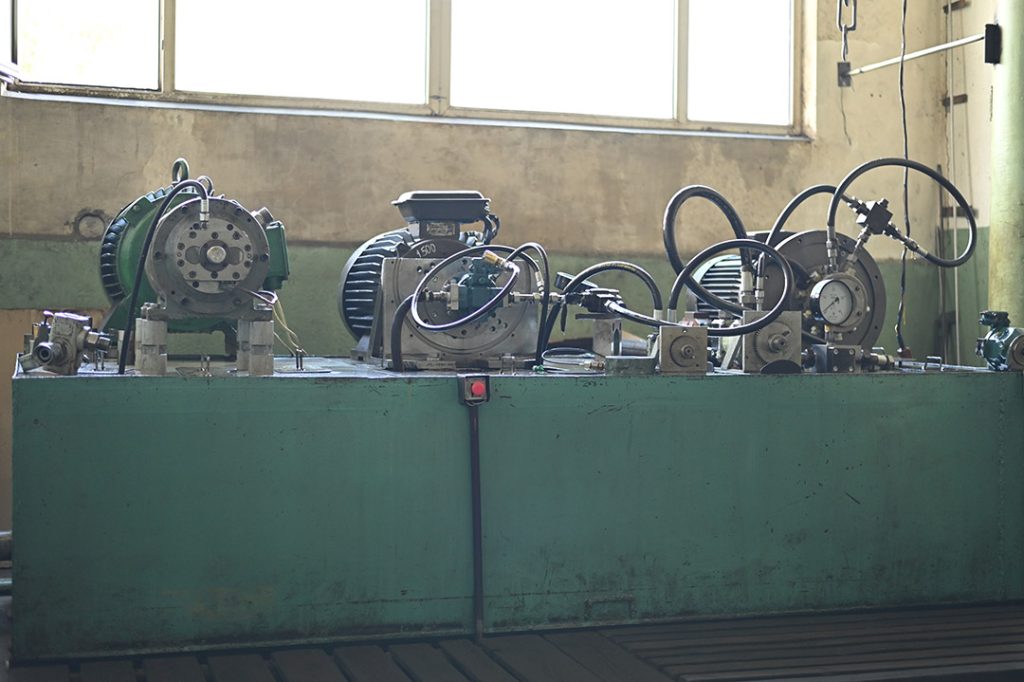
Static & Dynamic Test Stands
In-house testing of pumps motors and valves up to 500 bar and 300 L/min.
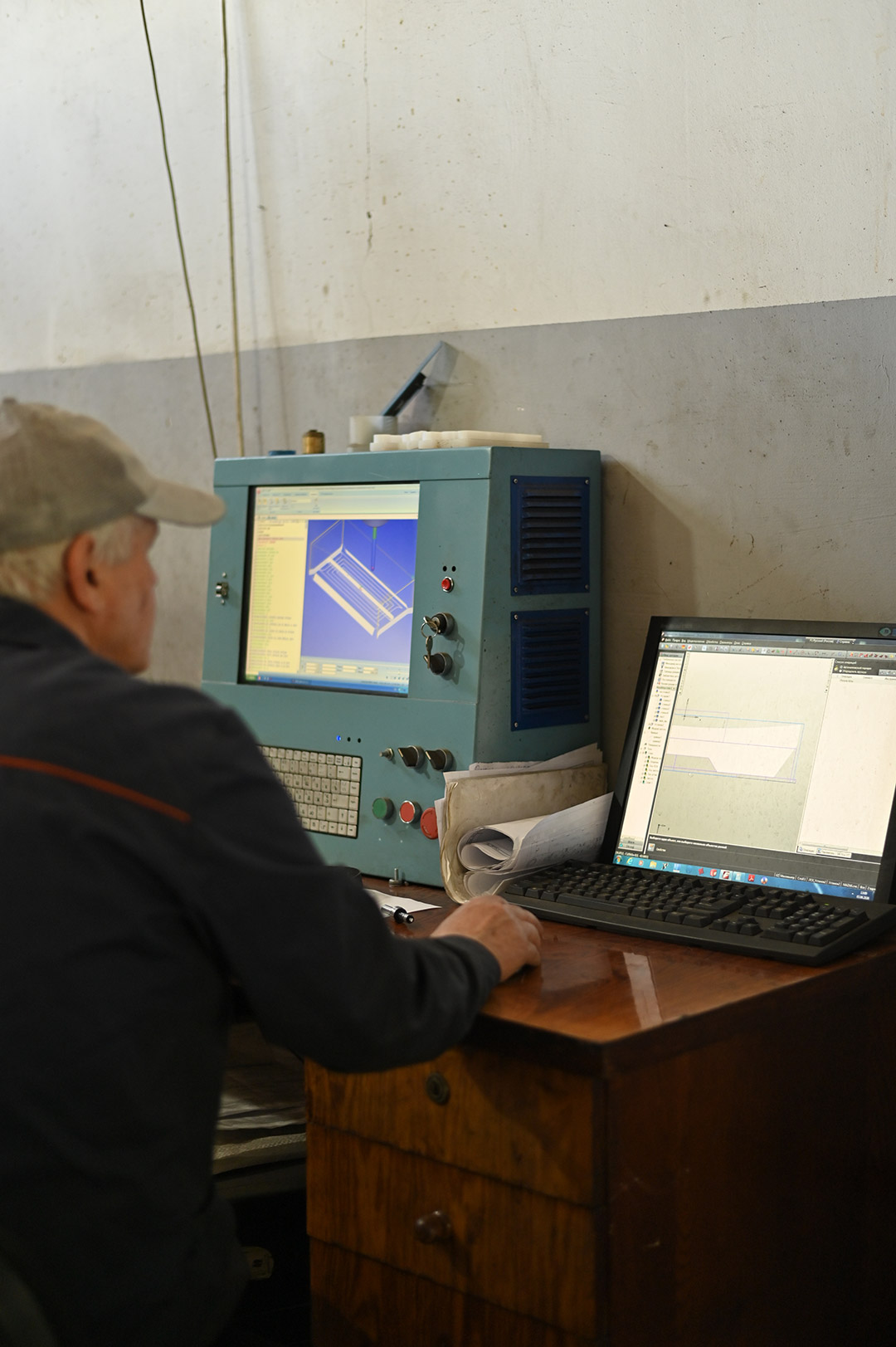
Mobile Field Diagnostic Laboratory
Rapid on-site response team equipped with turbine flow meters, digital pressure sensors and thermal imaging cameras. Troubleshooting and Technical Condition Assessment Report.
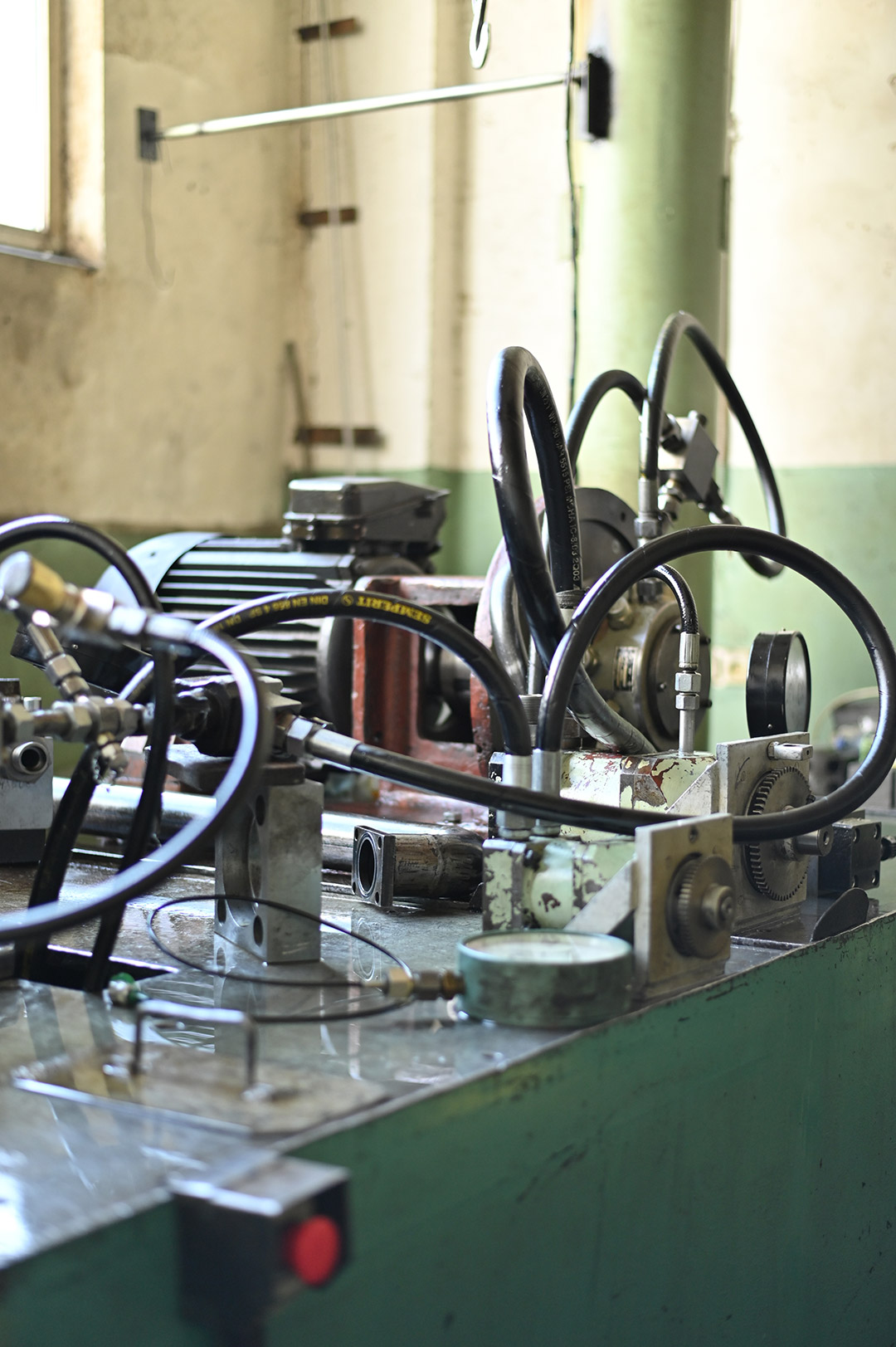
Fluid Chemistry Lab
Analysis of fluid samples for metallic wear debris, cleanliness rating verification (up to NAS 6), and oil degradation assessment. Expert recommendations for fluid replacement or line flushing.
Why Industrial Plants Choose Our Service
- Prevention of Catastrophic Downtime
- Routine diagnostics identify mechanical fatigue and wear at early stages, preventing costly production stoppages and emergency breakdowns.
- Evidence-Based Diagnostic Accuracy
- We test pumps, hydraulic motors, and hydraulic cylinders on our dedicated test frames under actual working loads. Technical decisions are grounded in metrological data, not assumptions.
- Mobile Field Service
- Field engineers deploy to your site for complete diagnostic inspections, pressure/flow logging, and fluid sampling.
- Extended Equipment Service Life
- Scheduled preventive maintenance increases hydraulic system life by 1.5–2 times, effectively preventing premature capital overhauls.
Preventive Maintenance Workflow
01
Service Request & Consultation
You submit an inquiry; we clarify the equipment scope, determine the work envelope, and schedule service dates.
02
Deployment or Delivery
Our service team deploys to your site, or you ship the assemblies to our manufacturing plant.
03
Diagnostic Inspection
Visual audit, dynamic parameter measurements, oil sampling, and thermal imaging.
04
Technical Report & Action Plan
We draft a technical condition report detailing identified defects, tolerances, and actionable maintenance recommendations.
05
Service Execution
Execution of agreed service operations: fluid replacement, filter change-out, valve recalibration, and minor unit repairs (as required).
Symptoms Indicating Your Equipment Requires Immediate Maintenance
- Abnormal acoustic emissions (whining, metallic knocking, high-pitched squealing, or cavitation rattle) during pump or motor operation.
- Hydraulic fluid has darkened, turned milky/turbid (water contamination/emulsification), or emits a burnt odor.
- Extended cylinder cycle times or sluggish response speeds of hydraulic actuators.
- Evidence of fluid weeping or external leaks at threaded fittings, flange connections, cylinder rods or component casings.
- Pressure fluctuations, instability, or severe hydraulic shock spikes during machine operation.
- Excessive fluid operating temperatures (exceeding 50–70 °C) under normal ambient conditions.
- Frequent or cyclic tripping of main safety relief valves.
- Expiration of the scheduled maintenance interval (1 calendar year or 1,000–2,000 operating hours, depending on operating duty).
Diagnostic Infrastructure and Equipment
Universal Test Stands
Full-load dynamic testing of hydraulic pumps, motors, and control valves (pressures up to 500 bar, delivery up to 300 L/min).
Mobile Diagnostic Field Unit
Rapid site deployment equipped with precision digital pressure sensors, turbine flow meters, and thermographic cameras.
Fluid Condition Laboratory
Fluid cleanliness grading (up to NAS 1638 Class 6 / ISO 4406), particle counting, and identification of wear metals.
If capital component remanufacturing is required, we utilize the machining capacities of our “Custom CNC Machining” and “Non-Standard Equipment” divisions.
Recommended Maintenance Intervals
Equipment Classification
Operational Environment
Recommended Service Interval
Heavy Industrial (Metallurgy Forging)
Continuous 24/7 duty cyclic peak loads elevated heat
Every 500–1,000 operating hours (2–4 times per year)
Mobile Machinery (Excavators Cranes)
Intense cyclic loads severe ambient dust
Every 1,000–1,500 operating hours (1–2 times per year)
Machine Tools & Auxiliary Plant Systems
Moderate indoor loads clean ambient environment
Once annually
Standby / Redundant Hydraulic Systems
Long standby periods intermittent test runs
Once annually (prior to seasonal commissioning)
Exact maintenance schedules should be adjusted according to OEM manufacturer manuals and regular laboratory oil sampling results.
Request Maintenance or Field Diagnostics Now
Describe the equipment requiring maintenance or outline your technical issue. Our fluid power specialist will contact you to verify details and coordinate a suitable time for a site visit or workshop intake.